How to Use Concrete Bonding Agent (Concrete Adhesive): A Technical Guide
Imagine a renovation project where a new layer of mortar must be applied over an old surface, but the substrate—due to aging or high absorption—lacks sufficient adhesion. In such cases, concrete bonding agent acts as a specialized additive that effectively solves bonding issues. By creating a strong bond between the existing surface and the new mortar, it prevents cracking, delamination, and strength reduction. Below, we review the correct method of using concrete bonding agent based on standard procedures and real project requirements.
How to Use Concrete Bonding Agent
The method of using concrete bonding agent varies depending on the type of project, but the general principles include surface preparation, proper mixing ratios, and correct application of the bonding layer. In this section, the most common methods are explained step by step.
Surface Preparation Before Using Concrete Bonding Agent
For the bonding agent to perform effectively, the surface must be clean, rough, and free from dust, grease, or loose particles. Wire brushing, industrial pressure washing, or surface scratching is typically used to improve adhesion. The surface should ultimately be slightly damp but without standing water.
Mixing Ratio of Concrete Bonding Agent with Water and Mortar
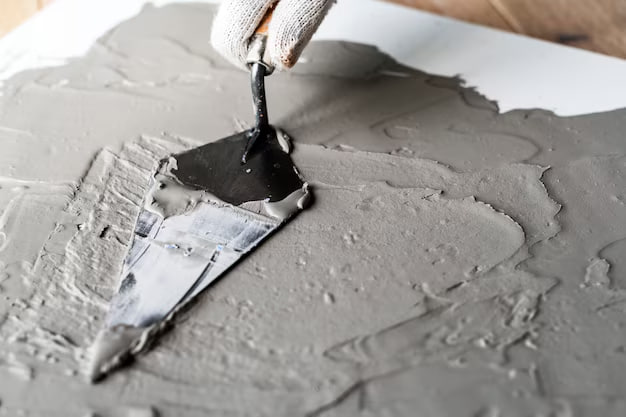
Mixing ratios vary depending on the purpose (repair, bonding, or strength enhancement), but generally the bonding agent is diluted with water and then added to cement-based mortar. The table below provides a general guideline.
| Application Type | Adhesive to Water Ratio | Percentage in Mortar |
|---|---|---|
| Bonding enhancement | 1:1 | 10–15% of mortar volume |
| Surface repair | 1:2 | 15–20% of mortar volume |
| Durable screeds or flooring | 1:3 | 5–10% of mortar volume |
Applying the Bonding Layer with Concrete Adhesive
The standard method involves applying a diluted mixture of concrete bonding agent and cement as a slurry onto the surface. This layer must not be allowed to dry. The main mortar should be applied while the bonding layer is still tacky. This technique provides maximum bond strength.
Adding Concrete Bonding Agent Directly into Cement Mortar
In projects requiring high abrasion resistance or durability—such as parking floors, staircases, or wet areas—the bonding agent is added directly into the mortar mix. Proper addition reduces water separation, improves homogeneity, and minimizes cracking.
Correct Steps for Adding Concrete Bonding Agent to Mortar
Initial mixing of bonding agent and water
Adding the bonding slurry to the sand-cement mix
Adjusting mortar consistency
Allowing short resting time (about 5 minutes)
Required Tools and Materials for Applying Concrete Bonding Agent
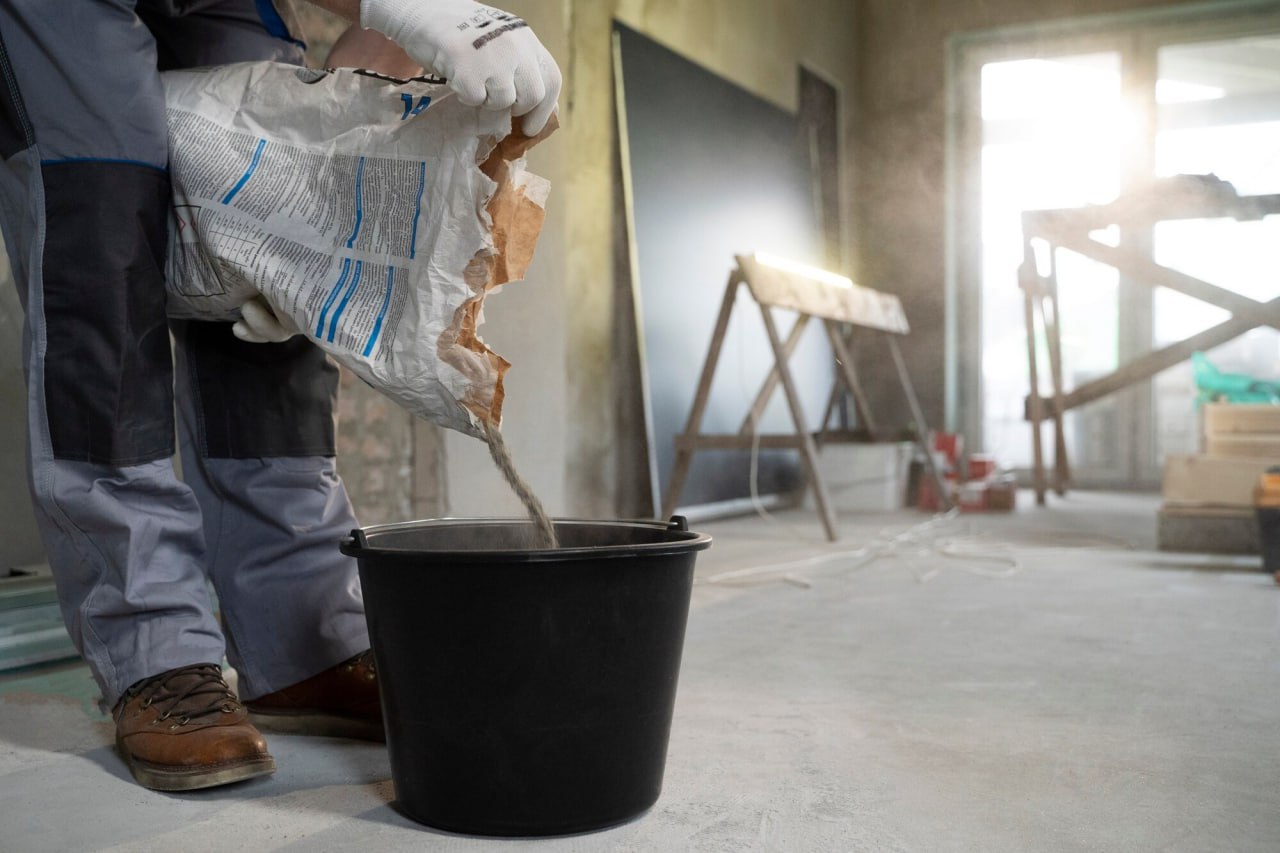
Using appropriate tools ensures final quality and strong adhesion. Before starting, make sure all equipment is prepared to achieve a uniform and durable result.
Industrial electric mixer for uniform blending of mortar and bonding agent
Mixing bucket for small to medium batches
Trowel and spatula for spreading and leveling mortar
Notched trowel for tiling and flooring works
Brush or roller for applying bonding primer evenly
Water spray for dampening the surface before application
Protective gloves to prevent skin contact with cement and bonding agent
Common Problems and How to Prevent Them
During application, issues such as surface efflorescence, layer detachment, cracking, excessive consumption, or overly diluted mortar may occur. These problems can be avoided by observing proper mixing ratios, correct primer application, thorough surface preparation, and proper curing. Monitoring ambient temperature and site conditions also helps prevent execution errors.
Conclusion
Using concrete bonding agent is one of the most effective methods for improving adhesion and durability in construction projects. However, its performance is only guaranteed when surface preparation, mixing ratios, and bonding layer application are done correctly. Following these steps ensures reliable bonding and long-term durability of new mortar or render layers. In renovation and repair projects, proper use of concrete bonding agent can significantly enhance final quality.
Frequently Asked Questions
Can concrete bonding agent be used without dilution?
In most construction projects, concrete bonding agent should be diluted with a specific amount of water to allow uniform spreading and penetration into surface pores. Undiluted use is generally limited to special industrial applications and is not recommended for general construction work.
When should mortar be applied over the bonding layer?
The best time to apply mortar is while the bonding slurry is still moist and tacky. If it dries completely, it loses its bonding function and must be reapplied.
Does concrete bonding agent increase structural strength?
In addition to improving adhesion, concrete bonding agent reduces permeability and increases the flexural and tensile strength of mortar. When used with correct proportions, it significantly improves long-term durability.
Is concrete bonding agent suitable for tile installation?
Yes, it performs very well in tile substrates, especially over old or low-adhesion surfaces, and prevents tile detachment or loosening.
Can concrete bonding agent be used on gypsum surfaces?
Generally not recommended, as gypsum is a weak and friable substrate. Even with bonding agent, sufficient adhesion is difficult to achieve unless the surface is thoroughly roughened and reinforced.