What Are the Components of Concrete?
Concrete is one of the most essential materials in the construction industry, and the quality of any project is directly dependent on the components of concrete. Proper selection of cement, water, aggregates, and admixtures can significantly enhance the strength, durability, and performance of concrete. In this article, we examine in detail what concrete is made of and the role each component plays in the final performance of the structure.
Components of Concrete
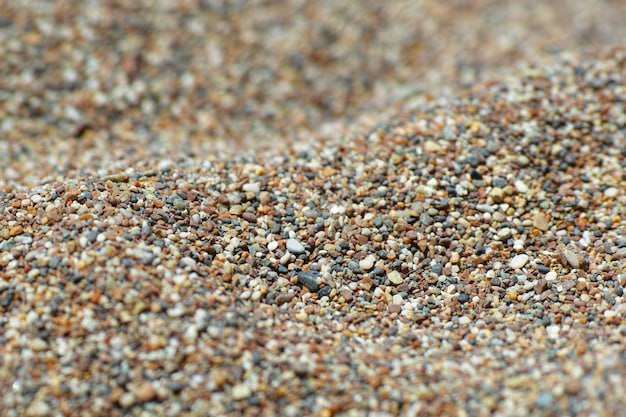
In its simplest form, concrete consists of three main components (cement, water, and aggregates) and one optional but highly effective component known as admixtures. Each of these components affects the hydration reaction, the workability of fresh concrete, and the strength of hardened concrete.
| Component | Role in Concrete Production | Key Notes |
|---|---|---|
| Cement | Formation of cement paste and bonding between components | Cement type and quality determine final strength |
| Water | Activation of hydration reaction and workability | – |
| Aggregates (Sand and Gravel) | Providing volume, reducing shrinkage, increasing strength | Proper grading = dense and durable concrete |
| Admixtures | Improving workability, setting, strength, and durability | Superplasticizers, pozzolans, fibers, etc., selected based on needs |
Cement
Portland cement is the most commonly used binder in concrete production. When combined with water, it initiates the hydration reaction and forms cement paste, which becomes the primary structure of concrete after hardening. The cement type (Type 1 to Type 5) is selected based on environmental conditions and project requirements and has a significant impact on the durability and strength of the structure.
Water
Water is the second essential component in concrete production, and its role goes beyond providing workability; it is also the initiator of the cement’s chemical reaction. Water quality must comply with standards, as impurities and dissolved salts can adversely affect fresh concrete performance and hardened concrete strength. The water-to-cement ratio (W/C) is one of the most critical parameters determining the final quality of concrete.
Aggregates (Sand and Gravel)
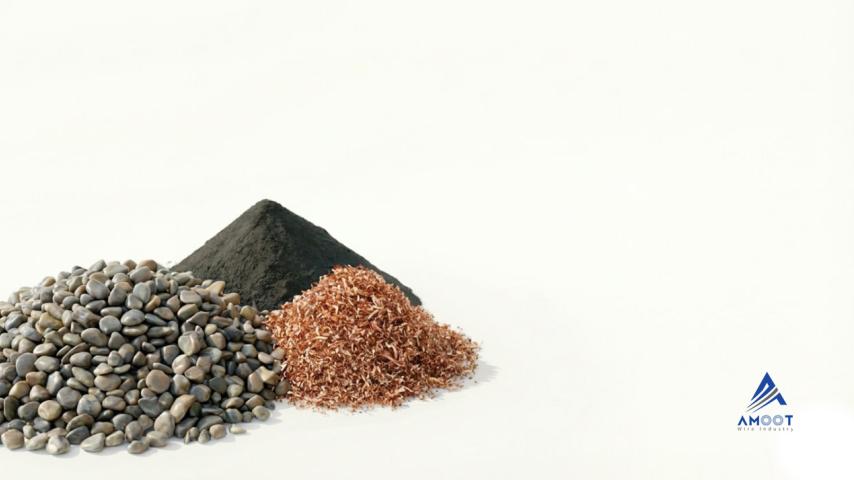
Aggregates make up the largest portion of concrete volume and are responsible for strength, volume, compaction, and shrinkage reduction. Sand is used as fine aggregate, while gravel serves as coarse aggregate. Proper grading and cleanliness of aggregates have a major impact on compressive strength, permeability, and durability of concrete and form a key part of the concrete mix design.
Concrete Admixtures
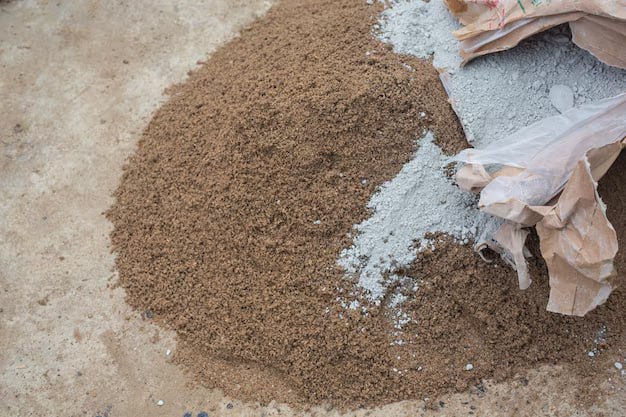
Although admixtures are not primary components of concrete, they are used in a controlled manner in most professional projects. Admixtures such as superplasticizers, accelerators, retarders, pozzolanic materials (such as microsilica, slag, and fly ash), and concrete fibers are used to improve workability, increase durability, control setting time, reduce water consumption, and enhance mechanical properties. Proper use of admixtures can significantly improve the final quality of concrete.
Main Types of Portland Cement According to ASTM Standards – Types 1 to 5
According to ASTM C150, Portland cement is classified into five main types, each designed for specific conditions:
Type 1 Cement: Ordinary Portland cement for general applications; suitable for residential, commercial buildings, and structures without special environmental conditions.
Type 2 Cement: Moderate resistance to heat of hydration and sulfate attack; suitable for massive foundations or areas with limited sulfate exposure.
Type 3 Cement: High early strength cement with rapid setting; suitable for cold weather, fast formwork removal, and time-constrained construction projects.
Type 4 Cement: Very low heat of hydration; used in massive structures such as dams where temperature rise may cause cracking.
Type 5 Cement: High sulfate resistance; suitable for severe sulfate conditions such as sewage systems, sulfate-rich soils, and marine structures.
Conclusion
In this article, we comprehensively reviewed that the components of concrete include cement, water, aggregates, and admixtures, each playing a fundamental role in concrete strength, durability, and performance. Proper selection of materials, accurate mix design execution, and quality control at various stages ensure the construction of a durable and safe structure.
Frequently Asked Questions
What are the components of concrete?
The main components of concrete are cement, water, and aggregates. In many projects, admixtures such as superplasticizers, microsilica, or fibers are also added to improve performance.
How does the water-to-cement ratio affect concrete?
This ratio determines concrete strength, workability, and durability. A high ratio reduces strength and increases permeability, while a low ratio makes the mix stiff and difficult to place.
Why is the use of concrete admixtures necessary?
Admixtures improve workability, control setting time, reduce water consumption, increase durability, and enhance concrete strength, and are almost always used in construction projects.
Why are aggregates important?
Because they make up more than 70 percent of concrete volume, and their quality and grading directly affect concrete strength, permeability, and durability.