What Are the Types of Wire Rod? (Technical Review Based on Core Material, Alloy, and Coating)
Wire rod is one of the most fundamental metal products used in construction, mesh weaving, agriculture, household appliances, the food industry, and even more specialized sectors such as petrochemicals and medical equipment. This product is essentially created by drawing and thinning steel bars through wire-drawing machines, and from this point it becomes clear that the core metal plays a major role in the final quality of the wire.
One of the common issues in selecting wire rod is that many users do not understand the difference between the “core material” and the “type of coating.” These two concepts are completely distinct, and confusing them inevitably results in incorrect selection and reduced product performance.
In this article, wire rods are classified exactly as a materials engineer would categorize them: first based on alloy and core material, then based on coating type. A size guide, applications, and a professional selection guide are also provided.
Classification of Wire Rod Based on Core Material
In this category, the core of the wire—meaning the alloy from which the wire itself is made—is analyzed. This is the primary basis for understanding wire quality.
Steel Wire Rods
The most common type of wire in the Iranian market is steel wire rod. However, this steel is divided into two completely different groups depending on its carbon content.
Low-Carbon Wire Rod
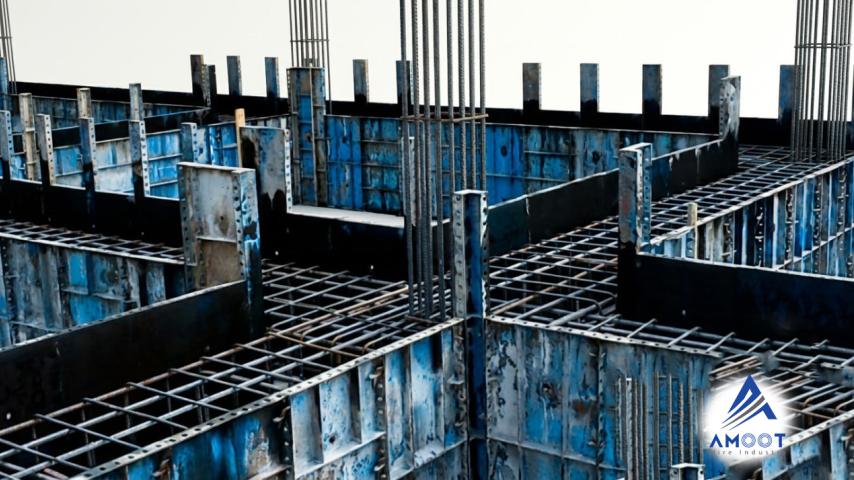
This type contains very low carbon content, making it soft, flexible, and suitable for bending. It does not break during twisting, which is why it is considered the standard wire for construction and rebar tying. In the manufacturing process, it is often annealed after drawing to improve softness and uniformity. The result is a wire that is easy to handle and bends smoothly under localized pressure.
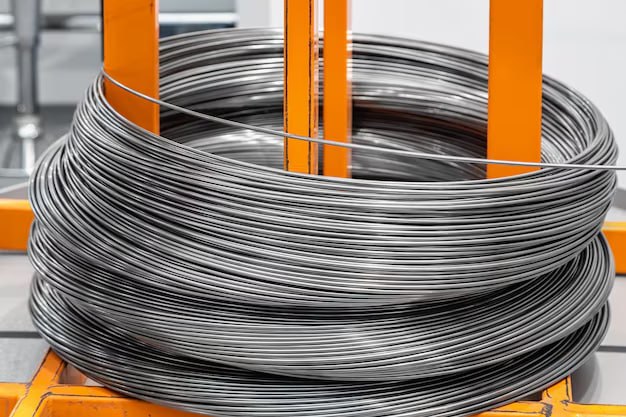
High-Carbon Wire Rod
This wire contains more carbon than usual, significantly increasing strength and giving it spring-like properties. It is stiffer, less formable, and highly resistant to tensile forces. For this reason, it is used in industries such as prestressed cables, spring manufacturing, wire ropes, and components that require high stress resistance.
Stainless Steel Wire Rods
In this category, the wire core is no longer plain steel but stainless steel alloys (chromium/nickel), which greatly enhance corrosion resistance. Stainless steel wire performs exceptionally well in humid, chemical, and acidic environments. Grade 304 is the general-purpose and most common type, while grade 316 is preferred in applications involving salt, acids, or harsh chemicals. Stainless steel wire is widely used in the food industry, pharmaceuticals, laboratory equipment, and industrial filtration systems.
Non-Ferrous Wire Rods
This group is often mistaken for coated wire rods, although their nature is completely different.
Copper Wire Rod (Pure Copper)
This wire is made from highly conductive, pure copper. Its high flexibility and excellent electrical conductivity make it the primary choice for cable manufacturing and electrical applications.
Aluminum Wire Rod
Lightweight, reasonably strong, and more affordable than copper, aluminum is used in electrical transmission systems, overhead networks, and lightweight structural applications.
Classification of Wire Rod Based on Coating and Manufacturing Process
This category reflects what the general market usually recognizes—different coating types or thermal processes applied to wire rods.
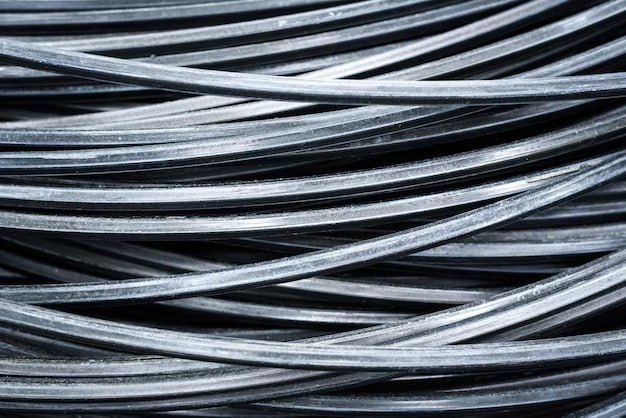
Black Annealed Wire
Black annealed wire is low-carbon steel wire that has been heat-treated (annealed) in a furnace to become softer. Its dark color results from burned surface oils and oxidation at high temperatures. Due to its flexibility, it is widely used in rebar tying, formwork, packaging, and even carpentry.
Galvanized Wire
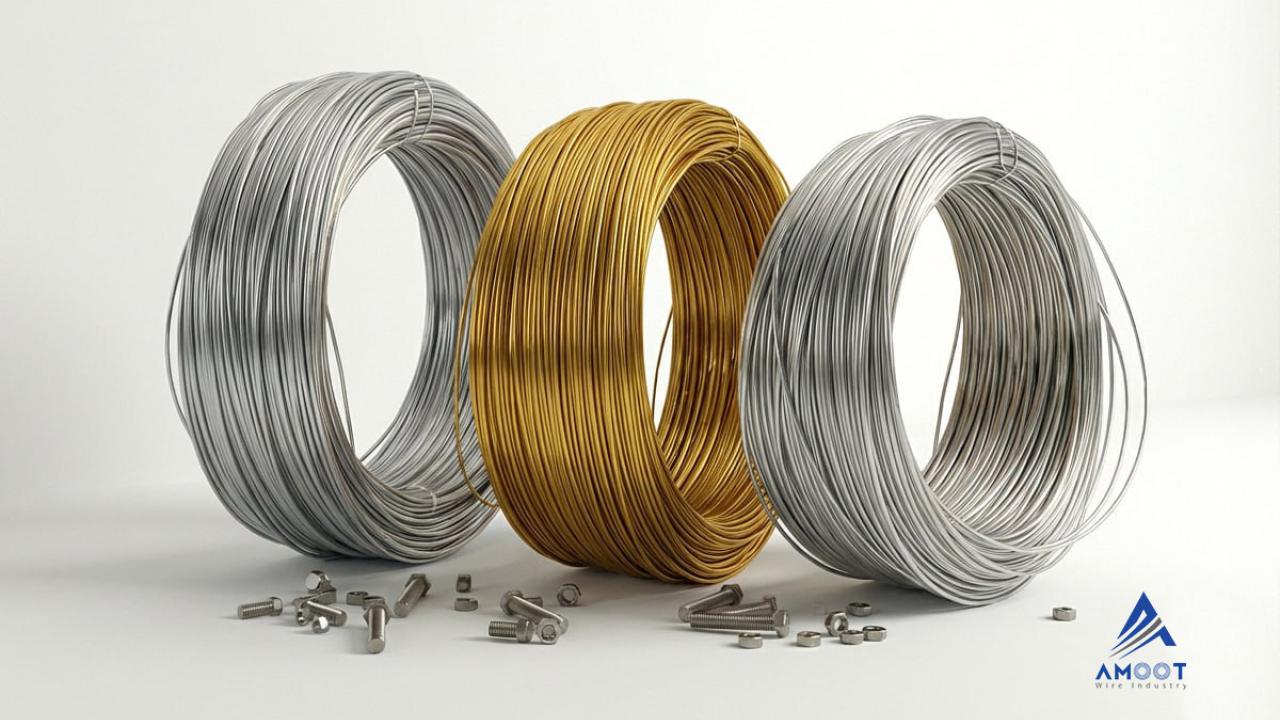
Galvanized wire is steel wire coated with a zinc layer to prevent rust. This coating can be applied in two ways:
Hot-Dip Galvanized
The wire is dipped into molten zinc, forming a thick, highly durable protective layer. This type is ideal for fencing, poultry farms, agriculture, and humid regions.
Electro-Galvanized (Cold Galvanized)
This method applies a thinner, more aesthetic coating. It offers lower corrosion resistance but is more economical.
Copper-Coated (Mesvar) Wire
One of the most common misconceptions in the market is confusing copper-coated wire with pure copper wire. They are completely different.
Copper-coated wire has a steel core, but only the surface is coated with copper. Its shiny red appearance provides both aesthetic appeal and reasonable surface resistance. It is commonly used in household appliances, shelving, decorative parts, welding applications, and forming processes.
PVC-Coated Wire
In this type, the core (usually galvanized wire) is covered with a colored PVC layer. This coating not only provides aesthetic benefits but also significantly improves resistance to moisture, salt, and sunlight. It is widely used in fencing for gardens, sports fields, and coastal environments.
Wire Gauge (Size) Chart
In the market, “gauge” refers to wire diameter in millimeters. Choosing the correct size greatly influences ease of installation and final product quality.
| Wire Gauge | Approx. Diameter (mm) | Application |
|---|
| 1.2 – 1.5 | About 1.2 to 1.5 | Rebar tying and reinforcement |
| 2 – 2.5 | About 2 to 2.5 | Formwork, carpentry, heavy packaging |
| 3 and above | 3 to 5+ | Mesh weaving, welded mesh, wire industries |
Application: Mesh weaving, welded mesh panels, wire-based industries
This chart helps users quickly determine which gauge is suitable for their usage.
Which Wire Rod Should I Use? (Professional Selection Guide)
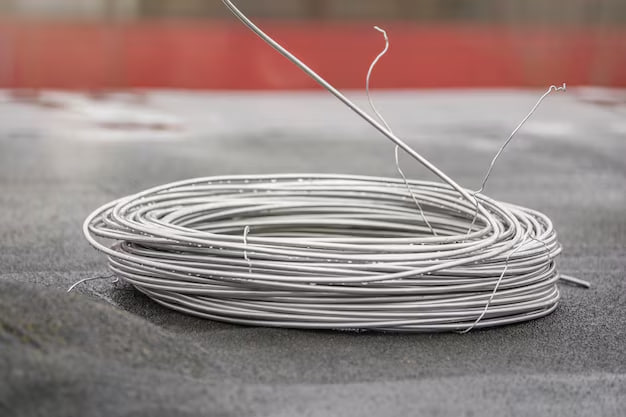
Choosing the right wire always depends on three key factors: core material, coating type, and project environment.
Scenario 1: Construction and Rebar Tying
Best choice: Black annealed wire
It is soft, easy to handle, and very fast for tying rebars.
Scenario 2: Fencing in Humid Northern or Southern Regions
Best choice: Hot-dip galvanized wire
It provides excellent durability against moisture and salt.
Scenario 3: Industrial or Decorative Components
Best choice: Copper-coated wire
It combines good formability with an attractive appearance.
Conclusion
Wire rod may appear simple, but understanding the difference between core material and coating type is the key to selecting the right product. Every project—depending on humidity levels, mechanical stress, flexibility requirements, or aesthetics—requires the appropriate type of wire rod.
To avoid incorrect choices, the experts at Amoot Sazeh can help recommend the best wire type based on your project, environmental conditions, and budget.
Frequently Asked Questions
What is the difference between copper-coated wire and pure copper wire?
Copper-coated wire has a steel core with a copper coating, while pure copper wire is entirely copper and used primarily for electrical applications.
Which wire is suitable for coastal or highly humid regions?
Hot-dip galvanized wire or stainless steel 316 due to their high corrosion resistance.
Does black annealed wire rust?
Yes. Since it has no anti-corrosion coating, it can rust. For humid environments, galvanized wire is a better choice.